

If your Whirlpool dryer getting too hot has become a recurring issue, it is important to take it seriously. Excessive heat can damage fabrics, reduce the lifespan of internal components, and create safety concerns in your home. Identifying the root cause early can help prevent more extensive repairs and keep your appliance operating safely.
Why Is My Whirlpool Dryer Getting Too Hot?
When a dryer overheats, it typically means airflow is restricted or a key component is no longer regulating temperature correctly. Dryers are designed to maintain a controlled heat level throughout each cycle. When that balance is disrupted, performance declines and wear on internal parts increases. Below are some of the most common causes to be aware of.
Clogged or Restricted Dryer Vent
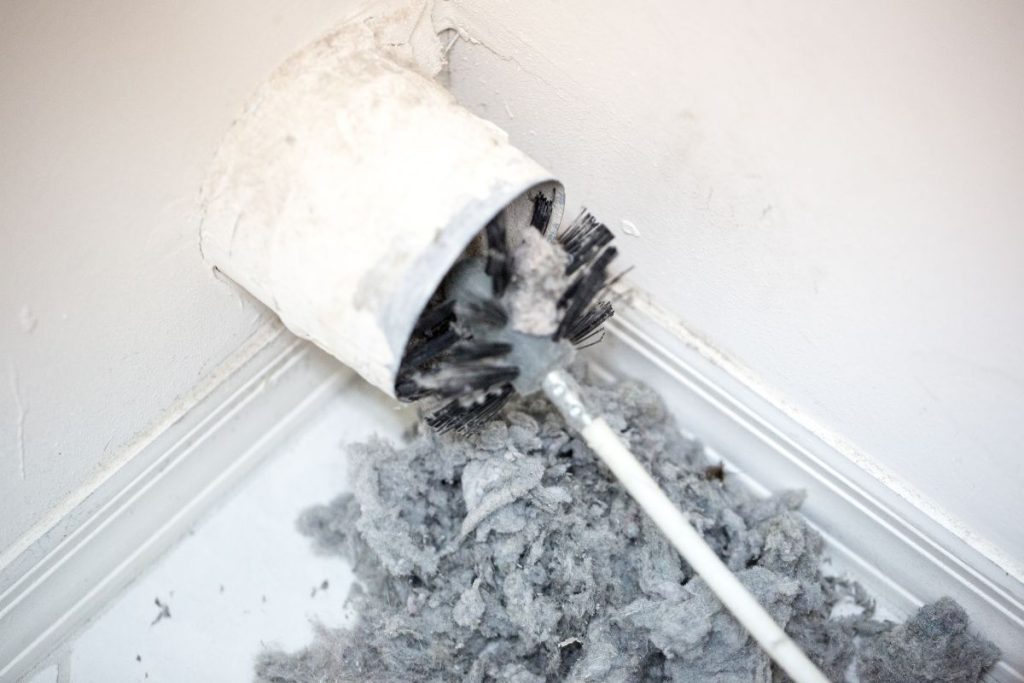
A clogged or restricted dryer vent is one of the leading causes of overheating. The vent system is responsible for carrying hot, moist air out of the dryer. When lint or debris builds up, that heat becomes trapped inside the machine.
Common warning signs include:
- Clothes taking longer than usual to dry
- A hot exterior surface during operation
- A noticeable increase in room temperature
- Lint buildup around the exterior vent
Restricted airflow can also lead to poor drying performance. If you have noticed your dryer isn’t drying clothes, a blocked vent may be contributing to both issues at once.
While cleaning the lint filter after every load is essential, deeper buildup inside the vent line requires professional attention. Scheduling a professional dryer vent cleaning service helps restore proper airflow and reduces the risk of overheating.
Lint Buildup Inside the Dryer System
Lint does not always stay contained in the filter. Over time, fine particles can accumulate inside the dryer cabinet and along internal air pathways. This buildup can restrict airflow and cause heat to remain inside the unit longer than intended.
You may notice a burning smell, unusually hot cycles, or inconsistent drying results. Regular surface cleaning is helpful, but internal lint removal should be handled by a professional to ensure all affected areas are properly addressed.
Routine care can make a difference over time. Investing in professional appliance maintenance service can help reduce buildup and keep your dryer operating efficiently.
Faulty Cycling Thermostat
The cycling thermostat regulates the temperature inside your dryer by turning the heating element on and off as needed. When it begins to fail, the dryer may no longer maintain a safe temperature range.
Signs of a faulty thermostat may include:
- Clothes feeling excessively hot at the end of a cycle
- Heat levels that do not match the selected setting
- Overheating that occurs consistently across multiple loads
Because this component directly controls temperature, a malfunction can quickly lead to more serious issues. Diagnosis and replacement require working with internal electrical systems, so professional service is recommended.
Malfunctioning Heating Element
The heating element generates the heat used to dry your clothes. If it becomes damaged or fails to cycle properly, it can produce continuous heat without shutting off when needed.
This often results in overheating even when lower heat settings are selected. You might also notice that cycles feel more intense than usual or that fabrics are exposed to higher temperatures than expected.
Addressing a heating element issue promptly can help prevent further damage to other internal components. A trained technician can determine whether repair or replacement is necessary.
Dryer Stops Spinning but Still Heats
In some cases, overheating may be confused with a different issue altogether. If your dryer drum is not turning, heat can build up in one area instead of being evenly distributed.
Here is what to watch for:
- Clothes feel extremely hot but remain damp
- The dryer runs, but the drum does not rotate
- You notice unusual sounds or no movement inside the drum
If your dryer stopped spinning, it does not necessarily mean the appliance is overheating due to airflow or temperature control problems. However, the lack of movement can cause heat to concentrate in one spot, which may feel like overheating.
This type of issue requires professional diagnosis to determine whether the problem is related to the motor, belt, or another internal component.
Blocked or Damaged Blower Wheel
The blower wheel is responsible for moving air through the dryer and out of the vent system. If it becomes blocked or damaged, airflow is reduced and heat cannot escape properly.
Possible symptoms include:
- Weak airflow from the vent
- Longer drying times
- Unusual noises during operation
- Increased heat inside the drum
Because the blower wheel is located within the dryer assembly, inspection and repair should be handled by a technician. Addressing airflow issues early can prevent overheating and improve overall efficiency.
Improper Dryer Vent Installation
Sometimes the issue is not a blockage but the design of the vent system itself. Long vent runs, multiple sharp turns, or improper materials can restrict airflow and lead to repeated overheating problems.
If your dryer continues to run hot despite regular cleaning, the vent system may need to be evaluated. Proper installation supports consistent airflow and helps prevent long term performance issues.
When to Seek Professional Service
If you are experiencing ongoing issues, the team at A Action Appliance Repair can help. Our technicians provide reliable dryer repair in Manchester and can diagnose the root cause safely and accurately. We also offer support as Whirlpool appliance repair experts, ensuring your dryer receives the specialized care it needs.
Preventative care is equally important. Regular maintenance and professional inspections can reduce the likelihood of overheating and extend the life of your appliance. Taking a proactive approach today can help you avoid more serious problems down the line. If multiple symptoms are present, addressing them together can lead to a more complete and lasting solution.