
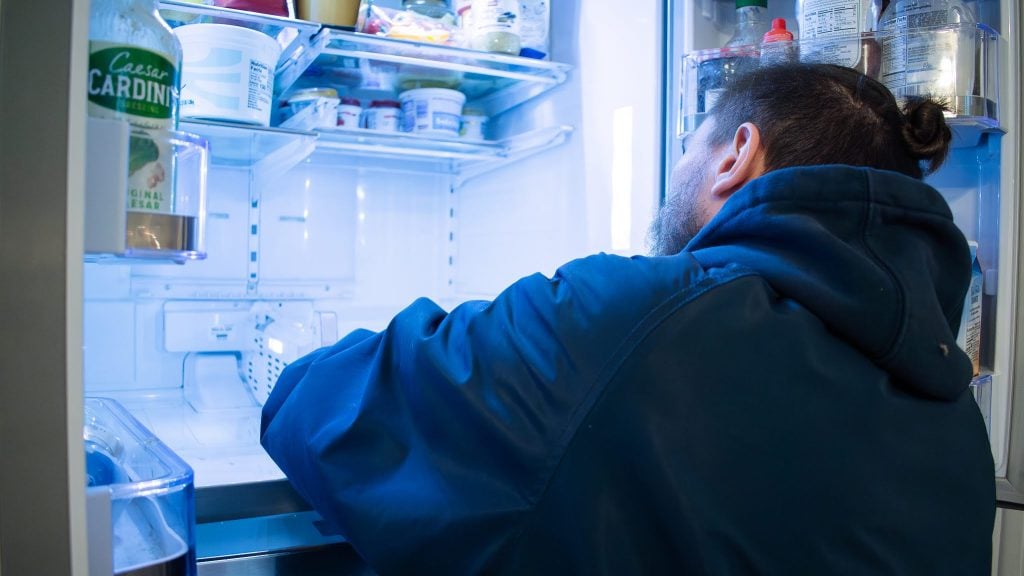
Few things are more frustrating than opening your refrigerator for a handful of ice only to find an empty bin… again. Modern refrigerator ice makers are convenient, but they can also be one of the first components to act up when something goes wrong. Whether you’re dealing with slow ice production, small cubes, or an ice maker not making ice at all, the root cause often comes down to a handful of common issues.
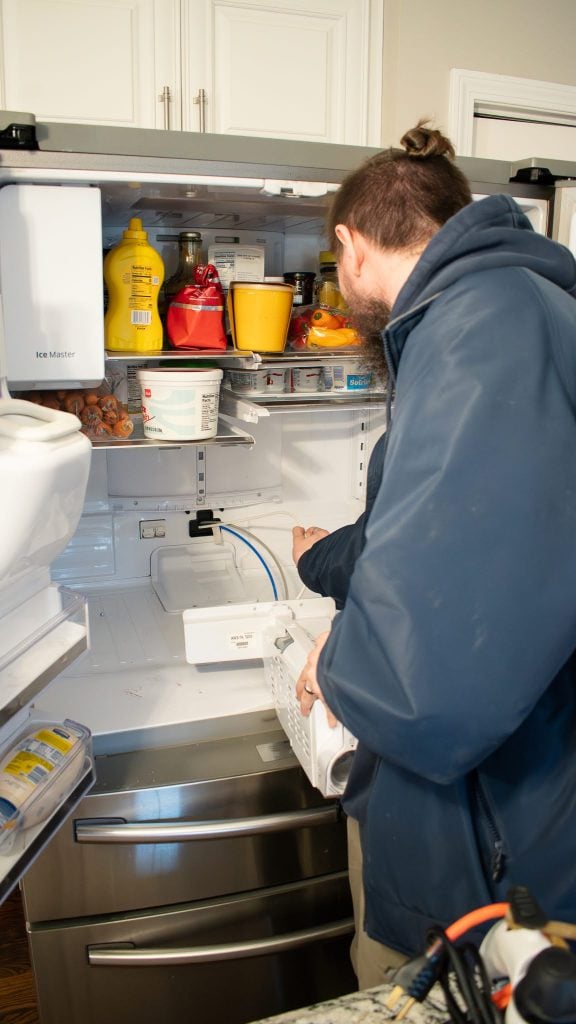
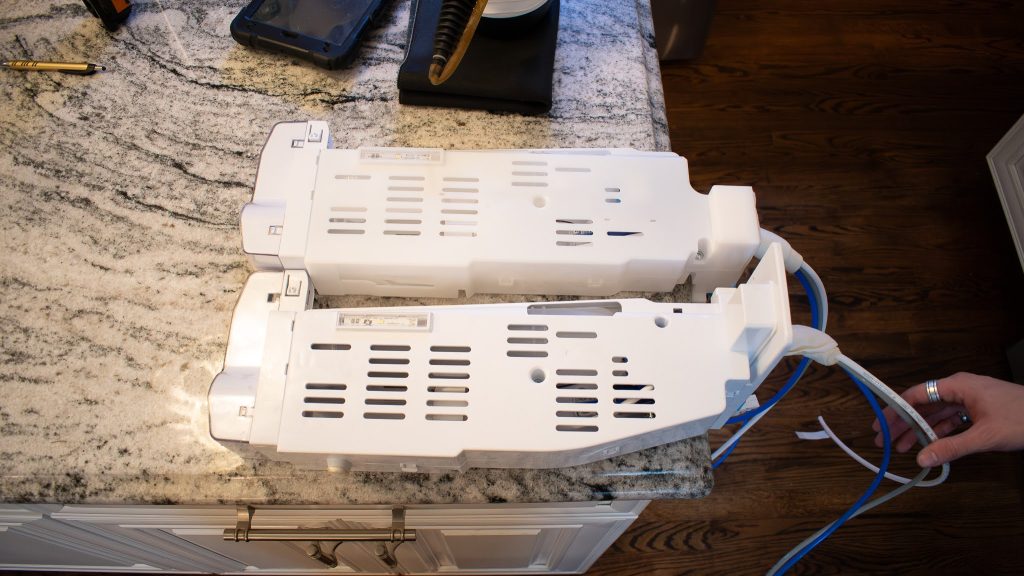
In this guide, we’ll walk through the top reasons your ice maker isn’t making ice and show how a professional technician diagnoses and repairs the problem — including real repair steps illustrated in the photos throughout this post.
Check Your Refrigerator Settings
Before assuming something major has failed, it’s always a good idea to double-check the basics. Incorrect temperature settings or simple user-adjustable issues can prevent the ice maker from working properly.
Quick Things You Can Check Yourself:
- Freezer Temperature:
Make sure the freezer is set to 0°F (-18°C). If it’s warmer than 5°F, the ice maker may struggle to freeze cubes. - Refrigerator Temperature:
Ensure the fridge is set to 37–40°F. If it’s too warm, the ice compartment may not stay cold enough. - Door Seal & Closing:
Look for items inside the fridge blocking the doors from closing fully. Even a slightly open door can raise temperatures and stop the ice maker. - Airflow Blockages:
Avoid overfilling the fridge or freezer. Air vents need space to circulate cold air to the ice maker. - Ice Maker Switch & Reset:
Some models have an on/off switch or a reset button. Make sure the ice maker is actually turned on.
These simple checks can solve minor issues. But if everything seems correct and your ice maker still isn’t producing ice, it typically points to a component failure deeper inside the system—something a professional technician will need to diagnose.
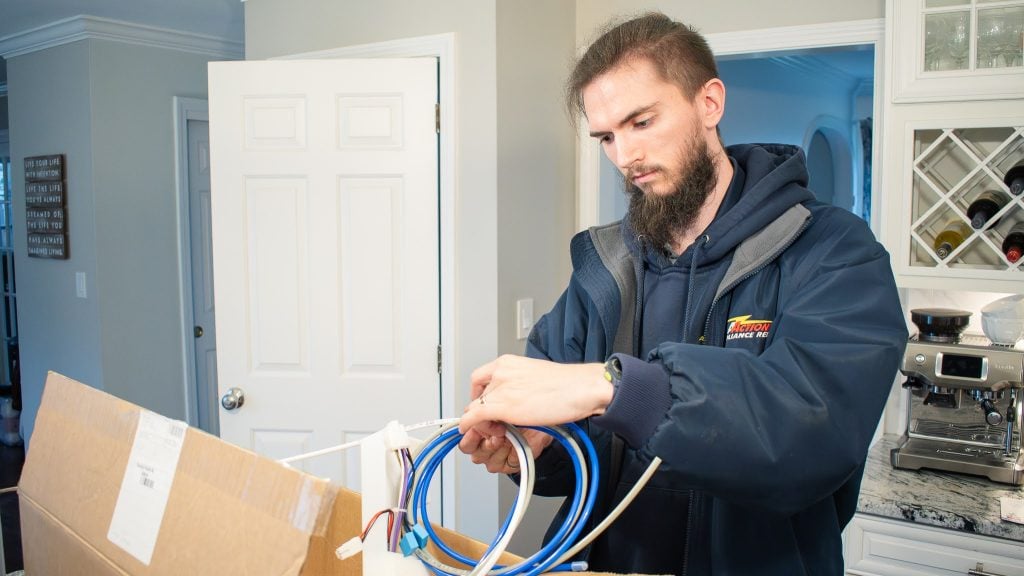
Common Problems That Cause an Ice Maker Not Making Ice
When you’re dealing with an ice maker not making ice, the issue usually traces back to a few well-known problem areas inside your refrigerator. Understanding these common failures can save you time and help you recognize when it’s something simple you can correct yourself. From water supply blockages to frozen fill tubes and faulty ice maker assemblies, these are the key problems technicians diagnose most often.
The Ice Maker Isn’t Getting Water
If your ice maker isn’t filling, the most logical place to start is the water supply. Without a steady stream of water, the ice mold simply can’t freeze anything.
Common Water Supply Issues:
- Kinked, clogged, or frozen water lines
- Water inlet valve failure
- Low household water pressure
- Shutoff valves are partially closed
In many refrigerators, the water line that runs up the back of the refrigerator and into the ice maker can freeze, crack, or lose pressure. When this happens, the ice maker may click or cycle as if it’s working but never actually receive water.
Faulty Water Inlet Valve
The water inlet valve opens electronically when the ice maker requests water. If the valve fails or becomes clogged with mineral deposits, it may:
- Not open at all
- Only partially open
- Open too slowly
- Deliver too little water
This results in either tiny ice cubes or no cubes at all.
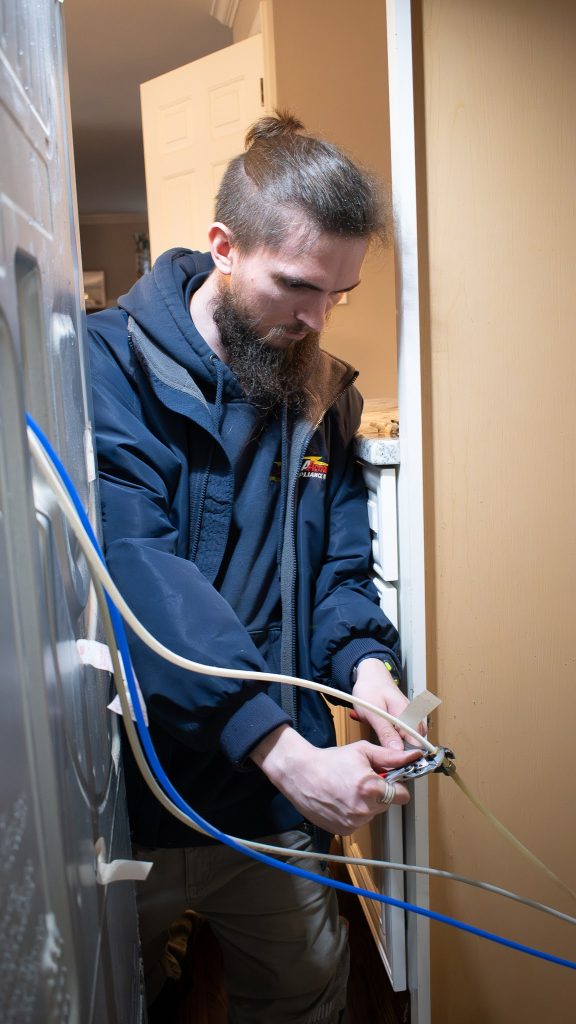
A technician tests the valve using a multimeter and sometimes applies pressure to the line to confirm proper water flow. If the valve is defective, it must be replaced. This is not a repair that can be safely done by homeowners.
Frozen or Blocked Fill Tube
If water can’t reach the mold, the ice maker cannot produce ice. One of the most common reasons for this is a frozen fill tube — the narrow tube that drips water into the ice tray.
Why Fill Tubes Freeze:
- Temperature fluctuations
- Faulty ice maker heater
- Air leaks inside the ice compartment
- Cracked or misaligned door gaskets
- Design flaws in certain refrigerator models
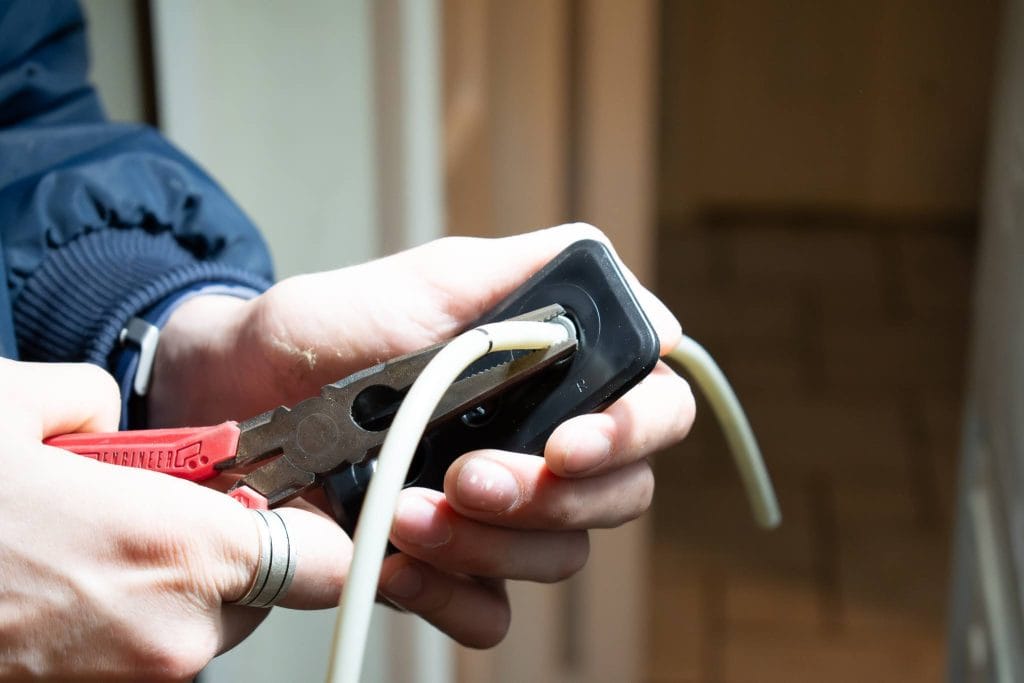
When the fill tube freezes over, it blocks the flow of water. Homeowners sometimes notice tiny ice fragments or frost around the ice room, but usually the first sign is simply no new ice.
A technician will remove the ice maker assembly, defrost the area safely (never with a hair dryer!), and inspect the fill tube for cracks or obstructions. If the tube is damaged or the heater isn’t working, those components must be replaced.
Faulty Ice Maker Assembly
Ice makers contain several moving parts — sensors, motors, heaters, internal switches, and a control board. When any of these fail, the ice maker may stop cycling.
Symptoms of a Broken Ice Maker Assembly:
- Ice maker won’t dump ice
- Ice tray doesn’t rotate or heat during harvest
- No clicking or humming sounds
- Ice maker doesn’t call for water
In many cases, replacing the entire ice maker assembly is the most reliable fix. This is especially true for Samsung models where the ice maker has known issues with frost buildup, faulty internal heaters, or warping over time.
Failed Ice Room Evaporator Cover (Samsung-Specific Issue)
Many Samsung French-door refrigerators use a special “ice room” with its own evaporator fan and air ducts built into a plastic cover on the back wall. When this evaporator cover stops working properly—whether from cracking, warping, or ice buildup behind it—the airflow inside the ice room drops sharply.
When airflow is restricted, several ice-maker problems follow:
- Ice builds up behind the cover, blocking the fan
- The fill tube can freeze, preventing water from entering the ice maker
- The ice room can’t stay cold enough, so cubes form slowly or not at all
- The fan may grind or buzz as it hits frost, a common early warning sign
Together, these issues often lead to slow ice production or no ice at all.
A technician typically removes the ice maker and cover, clears the ice buildup, installs the correct replacement or updated cover, reconnects sensors, and verifies proper airflow. Once airflow is restored, the ice maker can freeze and harvest ice normally again.
Failed Water Filter Housing
Another common cause of ice maker failures in Samsung refrigerators is a faulty water filter housing, especially part DA97-12661A. This component doesn’t just hold the filter in place—it also connects the internal water lines and helps regulate water flow to both the dispenser and the ice maker.
When the housing begins to fail, several issues can prevent the ice maker from getting the water it needs:
- Restricted water flow: Cracks, worn seals, or internal valve problems can reduce water pressure, leading to small cubes or no ice at all.
- Intermittent filling: If the filter doesn’t seat correctly or the valve inside the housing sticks, the ice maker may receive water only sometimes, resulting in thin or incomplete cubes.
- Internal leaks: Even a small leak inside the housing can drop water pressure enough to stop the ice maker from filling.
- Filter recognition issues: A damaged housing may prevent the filter from locking in properly, and the refrigerator may treat it as “no filter installed,” shutting off water flow entirely.
When this part fails, a technician will typically remove the old housing, disconnect the water lines, install the updated DA97-12661A assembly, and test the system to ensure proper water flow and ice maker operation. Once the housing is replaced, the ice maker can usually resume producing ice as normal.
A refrigerator that stops making ice can feel like a major headache, but most ice maker failures come down to a small set of predictable issues — from a frozen fill tube or blocked water line to a faulty ice maker assembly or a failed evaporator cover. While checking your temperature settings and ensuring proper airflow are simple steps homeowners can tackle, many of the deeper causes require specialized tools, experience, and access to manufacturer-approved parts.
The repair process shown in the photos throughout this guide highlights just how many components work together inside the ice compartment — water lines, sensors, heaters, wiring, airflow channels, and the ice maker itself. When even one of these parts fails, your refrigerator can stop producing ice altogether.
If your ice maker still isn’t working after going through the basic checks, it’s time for a professional diagnosis. Our New Haven refrigerator repair technicians can pinpoint the true cause quickly, prevent further damage, and get your refrigerator back to making ice reliably. With the right repair, you can enjoy consistent ice production again and avoid the cycle of temporary fixes or recurring issues.