
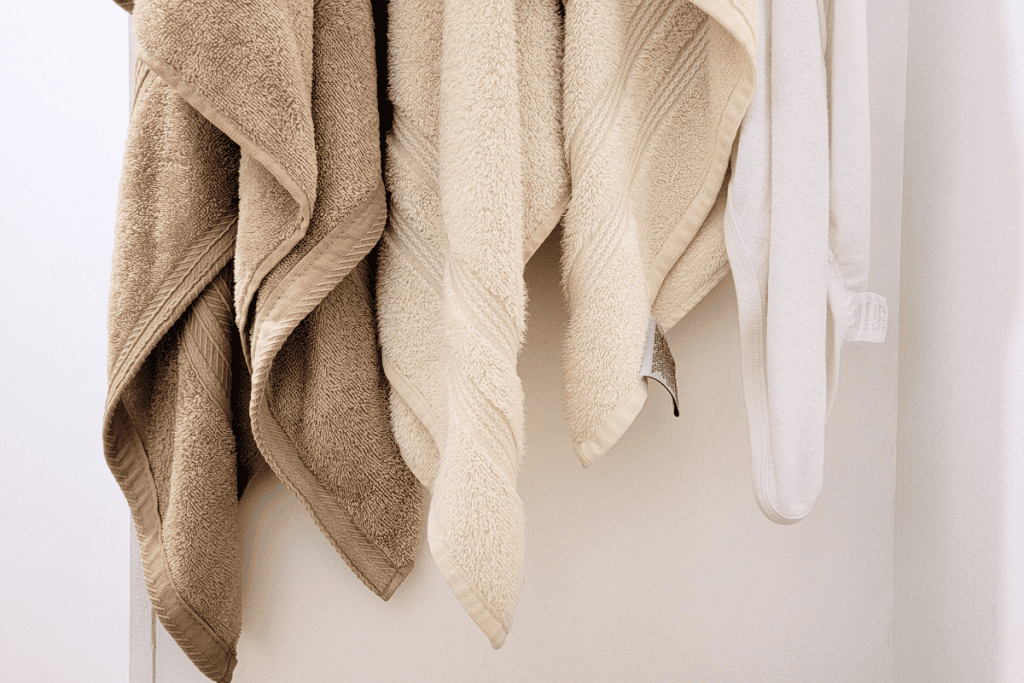
If you’ve been asking yourself how often should you wash towels, you’re not overthinking it. Towels may seem clean since they’re used after bathing, but they quickly collect moisture, dead skin cells, body oils, and detergent residue. When that moisture lingers, it creates an ideal environment for odor-causing bacteria to grow.
The solution is not complicated. With a consistent routine and a better understanding of what affects freshness, you can keep towels smelling clean and feeling absorbent without over-washing them.
How Often Should You Wash Towels? A Practical Guide for a Cleaner Bathroom
So, how often should you wash towels in an average household? The answer depends on how frequently they are used, how well they dry between uses, and how effectively they are washed.
When you consider all three of these factors together, it becomes much easier to build a schedule that keeps towels fresh without creating unnecessary laundry.
A general rule most homes can follow
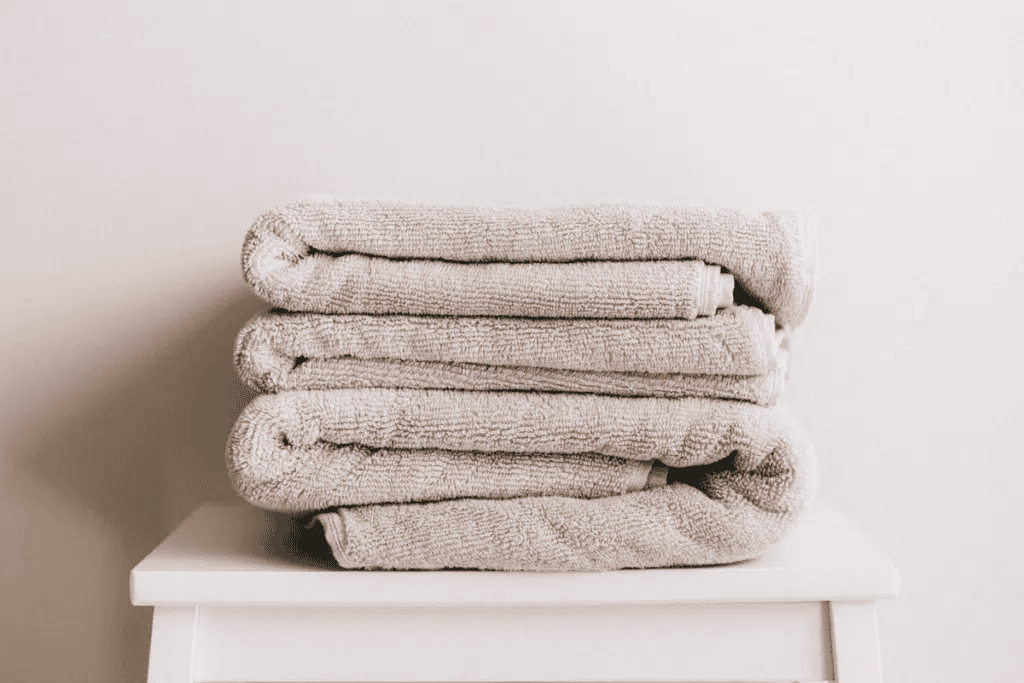
For most households, bath towels should be washed after roughly three uses. If you shower daily, that typically means every three to four days. Hand towels require more frequent washing because they are often shared and exposed to more bacteria throughout the day.
Here is a manageable schedule to follow:
- Bath towels: every 3 uses or about twice per week
- Hand towels: every 1 to 2 days in high-traffic bathrooms
- Washcloths and face towels: after each use
- Guest towels: every few days if used regularly, weekly if rarely used
If you are unsure how often should you wash towels in your specific home, try this baseline for a couple of weeks. Adjust if you notice odors or dampness lingering longer than expected.
What can change how often you need to wash them?
The ideal answer to towel washing frequency shifts depending on your bathroom environment. A towel that dries completely on a wide rack with good airflow can remain fresh longer than one that hangs folded in a humid space.
You may need to wash more frequently if:
- Your bathroom lacks ventilation: moisture lingers longer in the air
- Towels are shared: multiple users increase soil and bacteria transfer
- Towels are used after workouts: sweat and oils build up quickly
- You live in a humid climate: drying time is extended
- There are skin sensitivities in the household: fresher towels reduce irritation
In contrast, if each person uses their own towel and it fully dries between uses, the standard three-use rule usually works well.
Clear signs a towel needs washing sooner
Even with a routine, there are times when towels need attention earlier than planned. If you are questioning towel washing frequency during a busy week, let these signs guide you.
- A musty smell: even a faint odor can indicate bacterial or mildew growth
- A stiff or coated texture: often caused by detergent or softener buildup
- Reduced absorbency: towels feel like they move water instead of soaking it up
- Visible stains: makeup, skincare products, and oils can accumulate
- Persistent dampness: towels that stay wet too long develop odor faster
When these symptoms appear, wash the towel promptly rather than waiting for your scheduled laundry day.
Why clean towels matter for skin and hygiene
Many people assume towels remain clean because they are used after bathing. In reality, towels absorb more than water. They trap dead skin, oils, and microscopic debris. Over time, this buildup can contribute to unpleasant smells and, in some cases, skin irritation or breakouts.
When considering how often should you wash towels for a family, think about how often those towels act as shared surfaces. Hand towels, especially, can become high-contact items within hours. Larger laundry items such as bedding and comforters also collect similar buildup, which is why many homeowners look up guides like How to wash comforters to keep those fabrics fresh as well.
Washing habits that protect both freshness and fabric
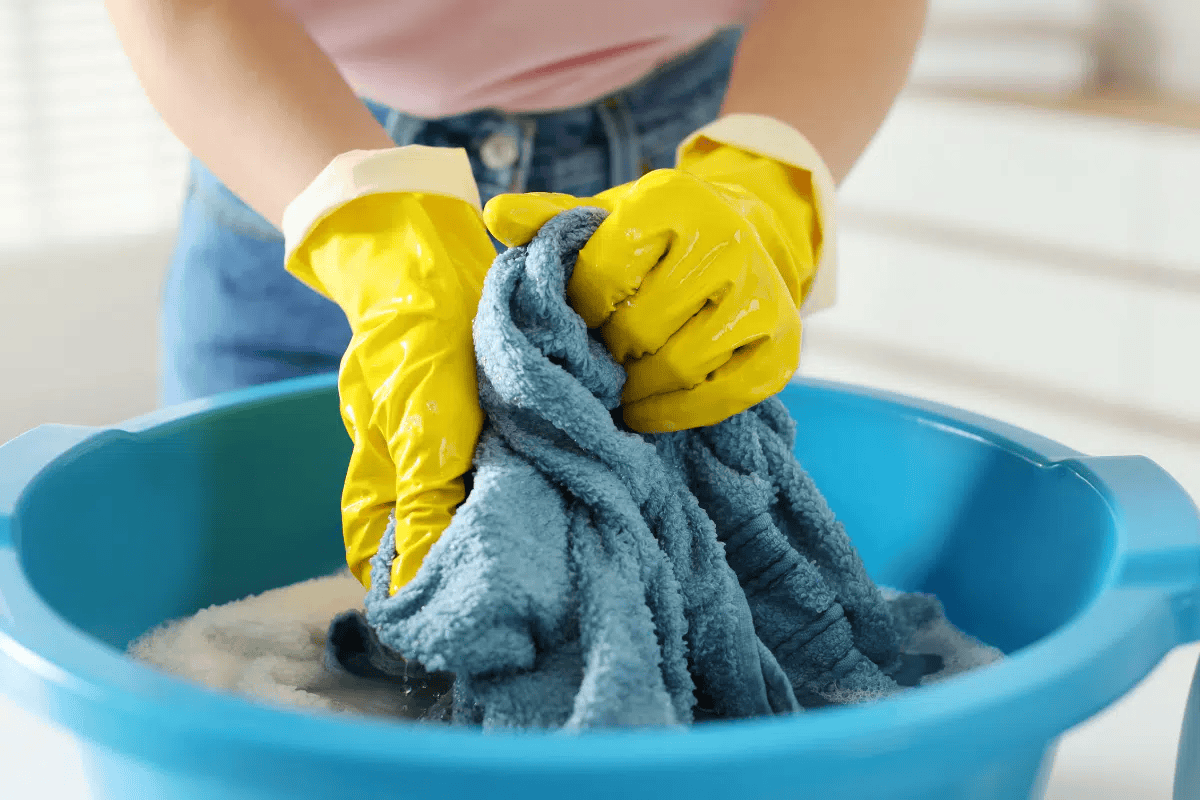
Understanding how often should you wash towels is important, but how you wash them also plays a major role in keeping them soft and odor-free.
- Use warm water when the care label allows: warm water (around 104°F / 40°C) helps remove oils more effectively, and hotter cycles (around 140°F / 60°C) can reduce microbial buildup when appropriate
- Avoid excess detergent: too much soap can leave residue behind
- Limit fabric softener: it may reduce absorbency over time
- Do not overcrowd the washer: towels need space to rinse thoroughly
- Wash towels with similar items: heavy cotton loads allow balanced cleaning
If towels come out smelling clean but develop odor again once damp, detergent buildup or incomplete rinsing is often the cause.
Drying and storage habits that affect freshness
Drying practices have a major impact on how often you should wash towels. Even freshly laundered towels can develop odor if they remain damp after use.
- Hanging towels spread out: improves airflow and drying speed
- Avoiding piles on the floor: trapped moisture encourages mildew odor
- Ensuring towels are fully dry before storing: prevents closet odors
- Using moderate dryer heat: helps preserve fabric softness
Improving airflow in the bathroom can sometimes extend the time between washes more effectively than switching detergents.
When a lingering odor points to a washer issue
If you constantly question towel washing frequency because they never seem fully clean, the washing machine itself may be contributing to the problem. Poor rinsing, drainage issues, or mechanical wear can leave residue trapped in fabric fibers.
- Odor returns quickly after washing: this is especially noticeable when towels get wet again.
- Strong leftover detergent scent: indicates incomplete rinsing
- Excess suds late in the cycle: suggests detergent buildup
- Towels feel unusually heavy at the cycle end: possible spin or drainage concerns
If smaller loads with reduced detergent come out noticeably fresher, that may signal rinse performance issues or component wear that requires professional attention. In those situations, scheduling washer repair in CT can help restore proper cleaning performance and prevent persistent odor problems in laundry.
Special situations that require more frequent washing
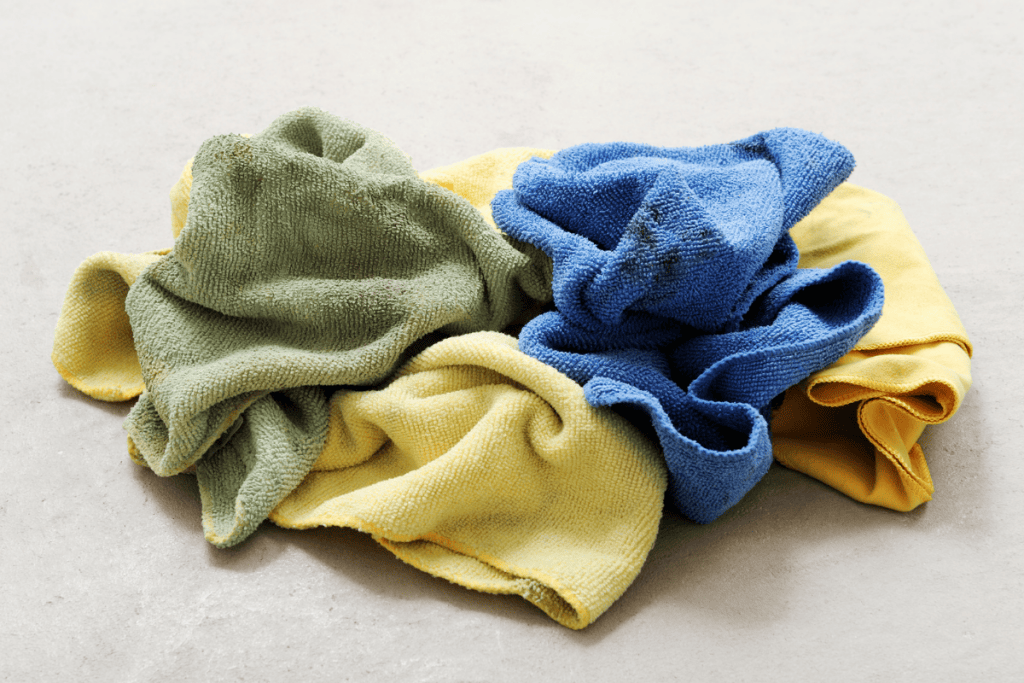
Certain towel types require a different answer to how often you should wash towels.
- Gym towels: wash after every workout
- Kitchen towels: wash daily, especially after food prep
- Children’s towels: wash more often if shared or used for swimming
- Face cloths: wash after each use to reduce oil transfer
- Sensitive skin households: maintain a shorter rotation for bath towels
Ultimately, how often should you wash towels comes down to moisture control, usage habits, and proper washing performance. With a consistent schedule and good drying practices, towels can stay fresh, absorbent, and comfortable without unnecessary extra loads.